The Local Homeowner's Guide to Right Blinds
Wiki Article
Built To Your Backyard Why Your Climate Decides Your Insane Choice
Australia has more than one climate, it has many. The dry, baking heat of Alice Springs' summer is distinct from the humid moist air of Cairns during the wet seasons. Both are also different from the salty wind that can slam a Brighton beach home. This vast regional variation isn't just a subject of reports on weather conditions, but it's the most neglected aspect to consider when selecting window furnishings. Blinds you choose based solely on pictures in catalogues, without considering the local climate can result in premature warping or fading. Blinds must be as robust as your lifestyle. This means that they should be specially engineered to meet the specific demands of the area you live in.
The mechanisms that fail are clear and unforgiving. In humid tropics, subtropics and Northern NSW of Queensland, the primary enemy is humidity. The constant high humidity is a pervasive, slow force. It seeks out organic material and causes wood that has not been treated to swell and warp. This encourages mold and mildew to grow on natural materials like cotton or linens. The fabrics eventually develop stains and produce a musty odour. The metal components of cords, chains or headrails may succumb to a creeping rust if not properly coated. Here, we must make use of inert, synthetic materials to provide a resistance.
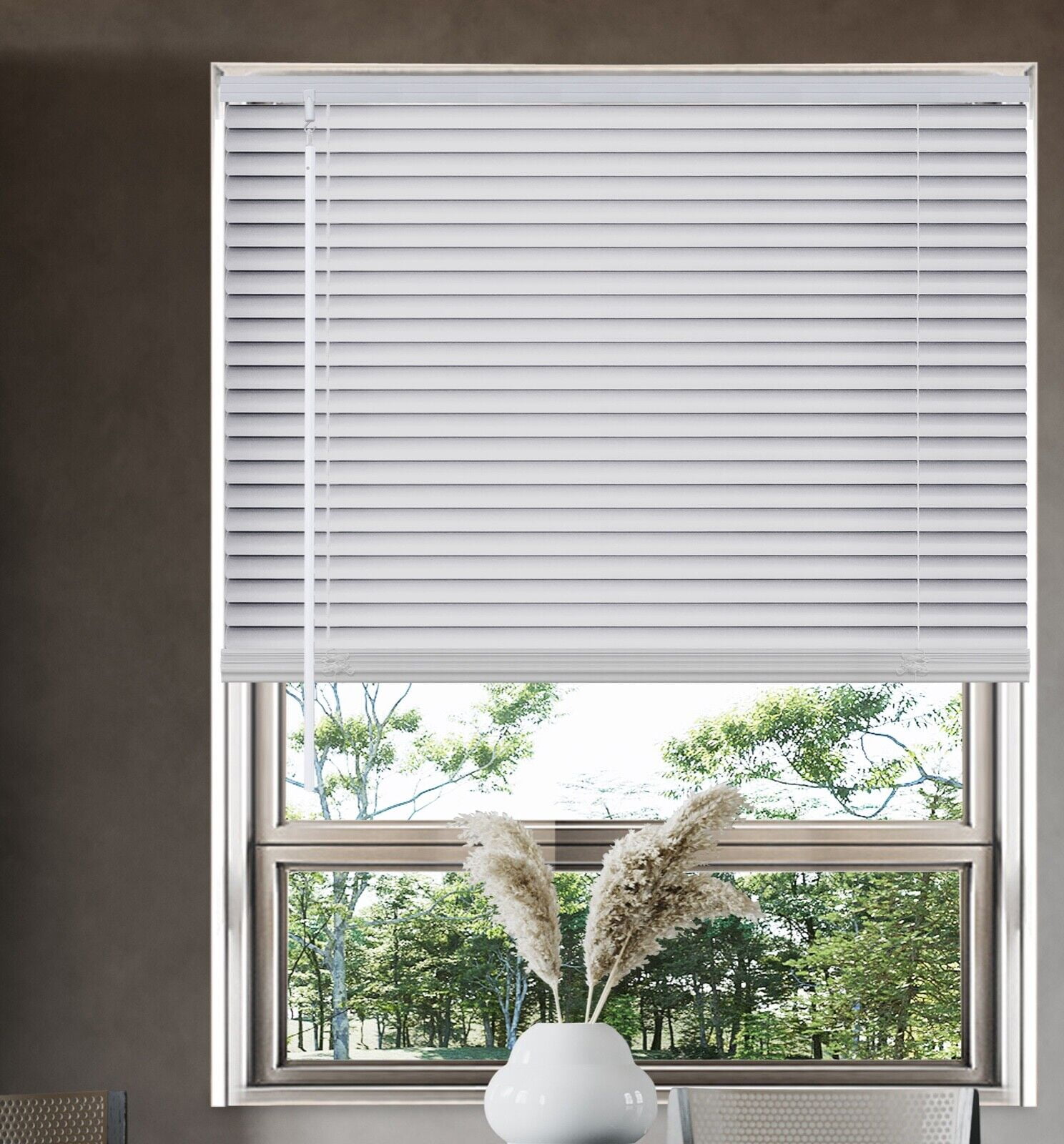
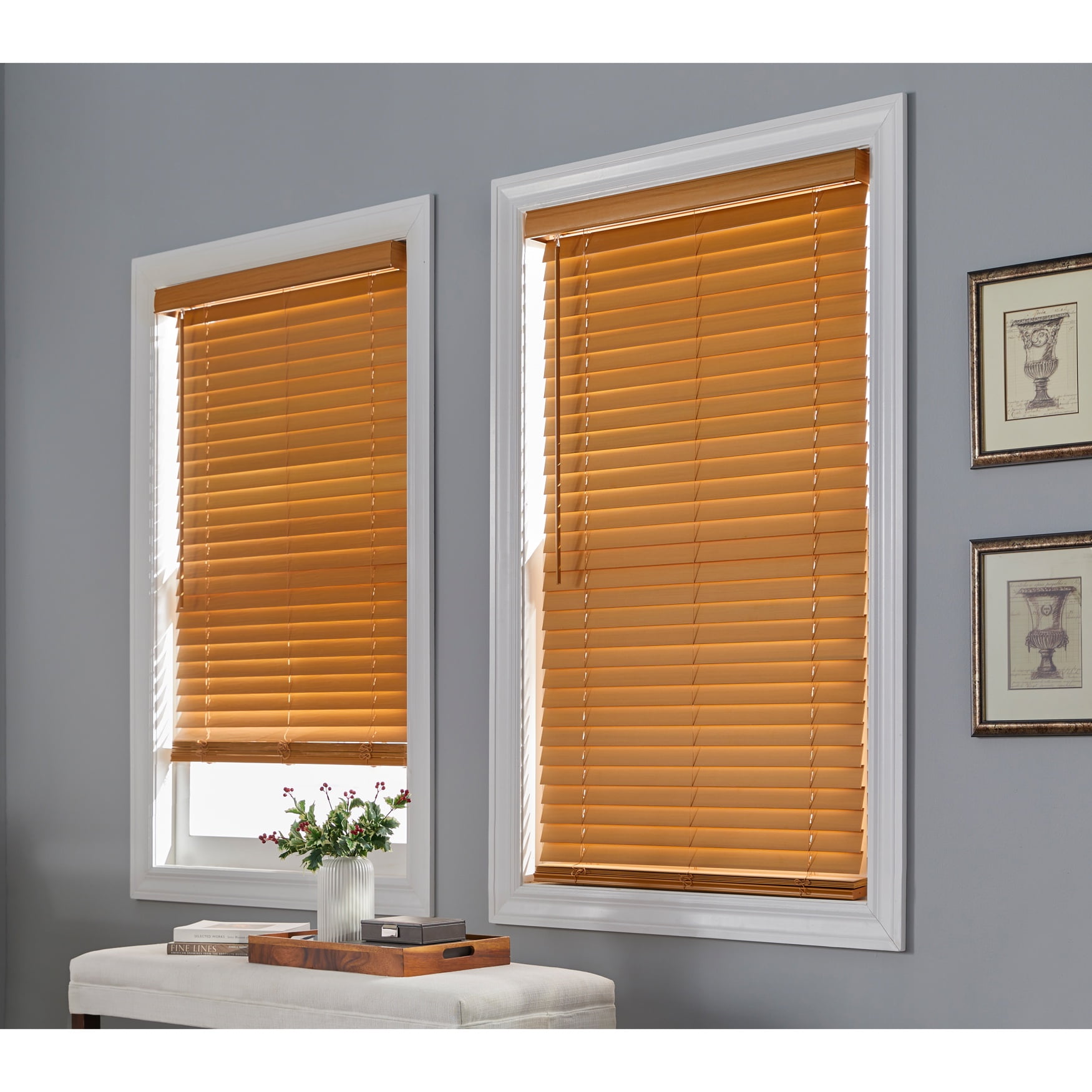
In these conditions your blinds selection should rely heavily on modern polymers and composites. PVC (vinyl) and faux wood Venetian blinds are great for humid climates. The materials used are not porous and water cannot be absorbed. This means that warping or microbial growth is not a problem. Powder-coated Aluminium Venetians offer a stylish look without any danger of rust. If you are looking for a soft design, you can opt for synthetic Roman or roller blinds. They are generally composed of solution-dyed polymers, or acrylics. These fabrics are resistant to moisture and are often treated with anti-mildew substances. Natural fibres that are not lined or real timber shouldn't be used in high-humidity environments unless they are specifically treated.
Conversely, in the hot desert interiors of the continent from Broken Hill to parts of Western Australia, the assault is one of severe, dehydrating UV radiation and massive diurnal temperature fluctuations. The sun's rays does more than just illuminate a space but also deteriorates the materials in it. Fabrics become faded with age, plastics get brittle and continuous expansion and contraction from hot days to cool night can cause stress to fittings. UV stability is the top priority in this setting.
Fabrics designed to resist solar radiation should be the first choice. Fabrics that are rated for outdoor use, even when used indoors, could be a wise investment. These fabrics are made out of yarns that are dyed with a solution (often available under the brand name Sunbrella), and the colour is integrated into the polymer. As a result, they are extremely fade-resistant. Blinds that are coated with UV-protective substances are crucial and not just to safeguard your furniture but as well the blinds. Aluminum slats can be used, but any hardware should have UV-stabilised plastic components. Colour choice is important: darker shades absorb heat faster and decrease in speed when exposed to the sun's extremes. Shades that reflect light reflect heat, and maintain their appearance better in intense UV light.
There's also the coastal zone that is a narrow, but heavily densely populated area in which the air is a mix of salt spray and sand. It is extremely corrosive and can ravage metals with a ferocious. A standard roller blind made of metal or aluminium slat that has a weak coating can quickly show signs of pitting and chalky, oxidised finishes. Sand, blown in by the breeze, acts as an abrasive that is gentle, scouring surfaces.
The requirements for coastal properties must be abrasive. Every metal part that include the tilt wand up to the headrail, should be made of marine-grade aluminium. You should look for products that have the "coastal-friendly" or "salt air friendly" rating. This means that fittings have been subjected to specific coating or anodizing processes like an marine-grade powder coat. Synthetic materials are still the best: PVC, acrylic fabrics, and composite "faux wood" all have the ability to withstand salty air. For a rust-free wall, you should use only stainless steel installation screws or anchors.
There are many other microclimates you should consider. Melbourne's south facing balcony experiences damp, cool weather. West-facing windows in Adelaide receive strong afternoon sun. The value of a knowledgeable local provider is indisputable in these circumstances. They are aware of what works in your region and what isn't. You can ask them what paint brand is the most well on Bribie Island. And which blend of fabrics will not fade when exposed to the sun in Perth.
Utilize location-specific questions to entice them: "I’m only three streets away from Sorrento's beach--does this mean I'll need the marine-grade product?" What is the best TSER fabric (Total Solar Energy Resistant) you have available that can guarantee high-quality colour for my sunroom facing west in Penrith? The answer to this question should be rooted in local experience and not a generic sales sheet.
Viewing your blinds in the context of climate-appropriateness will give you long-term peace of mind and value. The distinction is between a blind that is simply a temporary décor and one that will be part of the exterior of your home. The Australian conditions can be extremely demanding, however modern science can meet these demands. When you buy blinds designed to fit your garden, it's more than only a window covering. You are buying a product that is beautiful, will perform effortlessly and serve its purpose season after season without succumbing to the elements were designed to keep out. It's the most practical method of thinking about style - beauty designed for your home. Have a look at the top blinds for more advice including blinds store online, no blinds, no blinds, direct window shades, blinds direct installation, blinds to blinds, blinds to go blinds, you blinds australia, blinds order online, order blinds direct and more.
The True Test What Happens After Your Blinds Are Fitted
In the Australian business of blinds, the moment blinds are fitted can seem like the end of the line. The installer departs when the boxes are taken away and your new furnishings are set. If you purchase a product that will be used daily, exposed to harsh sunlight and is expected to last for at least a decade or more This isn't an end in itself, it's just the beginning of the obligation on the part of the seller. The after-sales support, which is often not included in your contract of purchase, is a vital element. It covers the quality of the installation, the guidelines for maintaining it and a definite plan for repairs or adjustments if it happens. The true character and quality of a business is revealed when a transaction becomes a long term relationship.
The installation is the most important and the first pillar of service following sales. Professional installers are not only fitters, but they are also the final quality control. Their work directly impacts the life and functionality of the blinds. The installer of a reputable service is either an employee or a trusted subcontractor who has worked with them for an extended time. They aren't just a random contractor who is hired through an online platform. They will arrive with the appropriate equipment for the substrate of your home such as double-brick, steel stud or concrete. They don't simply deliver the pieces to you, they set up each and every child safety device which is necessary. They show you how to operate each blind properly as well as the correct way to fix cords onto the cleat or program the remote. They clean up meticulously and leave no mess. They should also provide the option of contacting them before leaving, either by email or telephone, and not only an international call center. This level of finish will be your first real experience of aftercare.
The other pillar is proactive maintenance tips. Blinds aren't "fit and forget" objects. The durability of your blinds is contingent on the way you maintain and handle them. Suppliers who care about long-term customer satisfaction won't leave this up to chance. The contract should contain written care guidelines for the material you choose. It's not general advice, but tailored guidance: the correct microfiber cloth and pH neutral cleaning solution to clean your sunscreen fabric; the caution against applying oil-based polishes to your timber Venetians and the recommended schedule for lightly vacuuming your honeycomb blinds in order to avoid dust build-up inside the cells. They may give tips on how to adjust your blinds for the seasons. For instance they may suggest making sure the cord tension is checked prior to the start of summer. Or ensuring motorised window blinds are connected to their chargers. This advice is a preventative measure, designed to prevent frequent issues that could cause premature wear and warranty issues. It indicates that the supplier views your blinds as a long-term asset, not a disposed sale.
Despite the best installation and maintenance of the third pillar, which is repair assistance--will eventually be needed. The cord may fray, or a motor might become sluggish. Or a slat might be damaged. This is the most crucial check of your supplier's post-sales ethics. Are they able to provide a prompt and local customer service team? A reputable company will have a dedicated service coordinator or an experienced local contact who understands the history of your employment. They will be able to identify problems over the phone, assign an expert who has the components that are commonly used, and honour warranties without arguing. Another option is a service provider who subcontracts repair work to an anonymous third-party handyman, or sends you to the website of an offshore manufacturer. This causes frustration, delays, as well as substandard fixes.
The support system that supports it is vitally crucial for motorised and intelligent systems. Technology adds a new layer of complexity. Does the supplier employ a technician who is skilled in identifying issues with connectivity between the motors of your blinds as well as the home hub? Are they able to replace a battery pack, or upgrade firmware quickly? The advanced features of their products has to be matched by their after-sales services. A company that sells automation, but does not provide the technical support to maintain it leaves you exposed to liability.
Your supplier's response must include a thorough investigation of the after-sales process. Ask more than "Are warranty and installation included?" You should ask specific questions based on the scenario. For instance, "If I experience an issue with my blinds six months after they were installed What's the procedure?" What should I do first? Do spare parts for motor systems readily available on the local market or have to be ordered? If you need to repair your warranty, will you charge a fee for out-of-hours repairs? They'll be able to tell you if they are prepared by their answers. A confident and concise answer that details a local representative and commits to timely service will indicate reliability.
The peace of mind as well as product longevity are the most important aspects of a dependable, after-sales services. Protects your investment. A blind that the manufacturer can adjust, repair or even maintain can last longer than one that falls down as soon as a tiny issue occurs. It also saves you money, as it eliminates the need for expensive full replacements of what could be easy repairs.
In Australia, where houses are able to last for decades, and interiors are a significant investment, this approach that is long-term is essential. Inherently, the supplier with a physical store, local installers on staff with a solid reputation in the area is more accountable. They are structured to provide the service continuum--from expert fitting to informed maintenance to dependable repair. When you choose a provider like this, you're not just buying a product; you're securing an ongoing partner for the life of the blinds. You are ensuring the view of your choice today will remain beautifully framed in years to follow, and you can rest assured that if the cord breaks or the remote doesn't work and you need to contact a local service, a simple contact is all you need. This is the unwritten, but most valuable clause within your contract.